
 Trav Blog
The art of the affordable escape: See the world, keep the cash

Travel is often branded a luxury. We doom-scroll through photos of overwater bungalows, convinced that ‘real’ travel is out of reach. The truth? Seeing the world doesn’t require a lottery win. It requires a strategy.
Budget travel isn't about deprivation. It isn't about sleeping on airport floors or surviving on instant noodles. It is about value. It is about ruthlessly cutting costs on things you don't care about, so you can spend extravagantly on the things you do.
As financial expert Dave Ramsey says, "A budget is telling your money where to go instead of wondering where it went." Here is how to tell your money where to take you.
1. Master the ‘big four’
Every travel budget has the same anatomy. To save money, you must identify your non-negotiables within these four categories:
- Transportation
- Accommodation
- Food
- Activities
The Strategy: Pick one priority.
The Foodie sleeps in a budget motel to afford a Michelin-star lunch. The Explorer flies a budget airline with a long layover to pay for a private guide. The Relaxer books a luxury resort but spends zero on activities. You cannot have it all, but you can have the best of what matters to you.
2. The digital toolkit
Stop booking directly through airline websites without checking the data. Use the tools that do the heavy lifting for you.
- For flights: Use Skyscanner or Google Flights. Select ‘Whole Month’ view. Flying on a Tuesday or Wednesday is almost always cheaper than the weekend.
- For sleeping: Beyond hotels, look at Trusted House Sitters. You watch a homeowner's pet; you stay in their house for free. It is a travel hack that saves thousands.
- For wheels: Skip the rental counter. Turo is the Airbnb of cars - renting directly from locals is often 30% cheaper and offers better vehicle choices.
- For knowing where the money is going: As you’re spending, add costs on the go to your preferred travel budgeting app (such as Trav :) - so there are no unpleasant surprises and you’re always on top of what’s safe to spend while you’re travelling.
3. The ‘sinking fund’
The most painful part of travel is paying for it. The antidote is the Sinking Fund.
Open a dedicated savings account. Name it "Italy 2026." Automate a small transfer every payday. By the time you are ready to book, the money is there.
Pro-Tip: Timing matters. Booking flights and hotels 3–6 months in advance creates the "early bird" buffer, securing rates that disappear closer to the date.
4. Habits on the ground
Once you arrive, your daily habits define your bank balance.
- Carry-on only: Checked bag fees are rising globally. Challenge yourself to a single carry-on. You save money, skip the baggage carousel, and gain mobility.
- Hydrate for free: Never buy water at the airport. Bring an empty reusable bottle. It saves you $5 a day and saves the planet plastic waste.
- The ‘one meal’ rule: If you have a kitchen, cook one meal a day - usually breakfast. Yogurt and coffee from a local market cost pennies compared to a cafe.
- The ATM trap: Never exchange cash at currency kiosks; the rates are predatory. Use a travel card (like Wise or Revolut) to withdraw cash from local ATMs at the real exchange rate.
Final thought
Be frugal, not miserable.
If you are in Rome, eat the carbonara. If you are in Paris, ascend the Eiffel Tower. Don't walk three hours in the rain to save $10 on a cab. Save on the logistics so you can splurge on the memories.
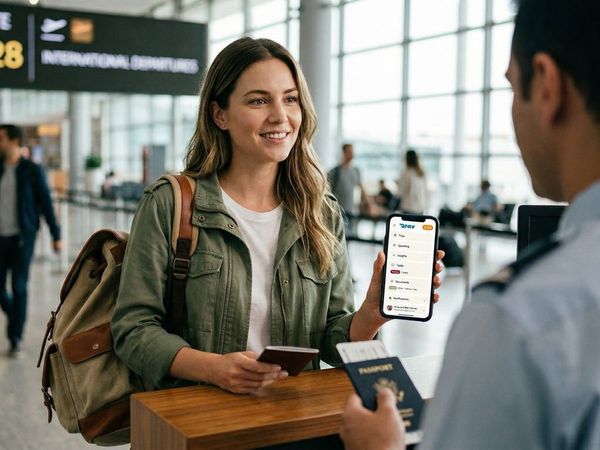
Travel admin sorted: Why you need a digital backpack
Having 'everything in one place' means nothing if you can’t instantly extract what you need. A folder of 50 PDFs isn't a system. It’s just a searchable mess.

Off the grid, on the money: How Trav came to be
Today marks the start of a new journey. Trav is officially live. It was built, quite literally, in airport departure lounges, on long-haul flights, and on rattling trains and buses.
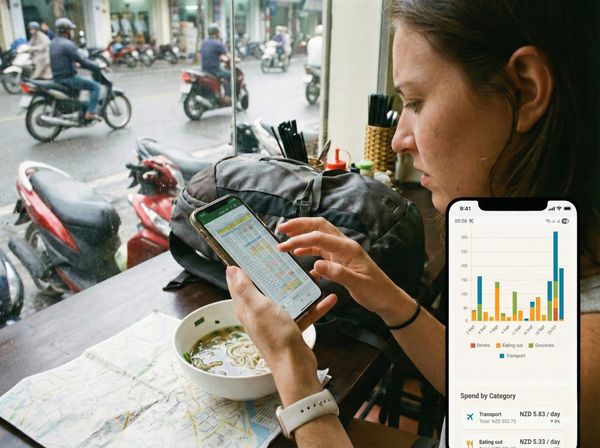
Why it’s time to ditch your travel spreadsheet
Spreadsheets are for planning, not traveling. Upgrade your toolkit with a mobile-friendly app designed for offline budgeting and real-time travel spending insights.