
 Trav Blog
‘Safe to spend’: How to make your budget last until the airport
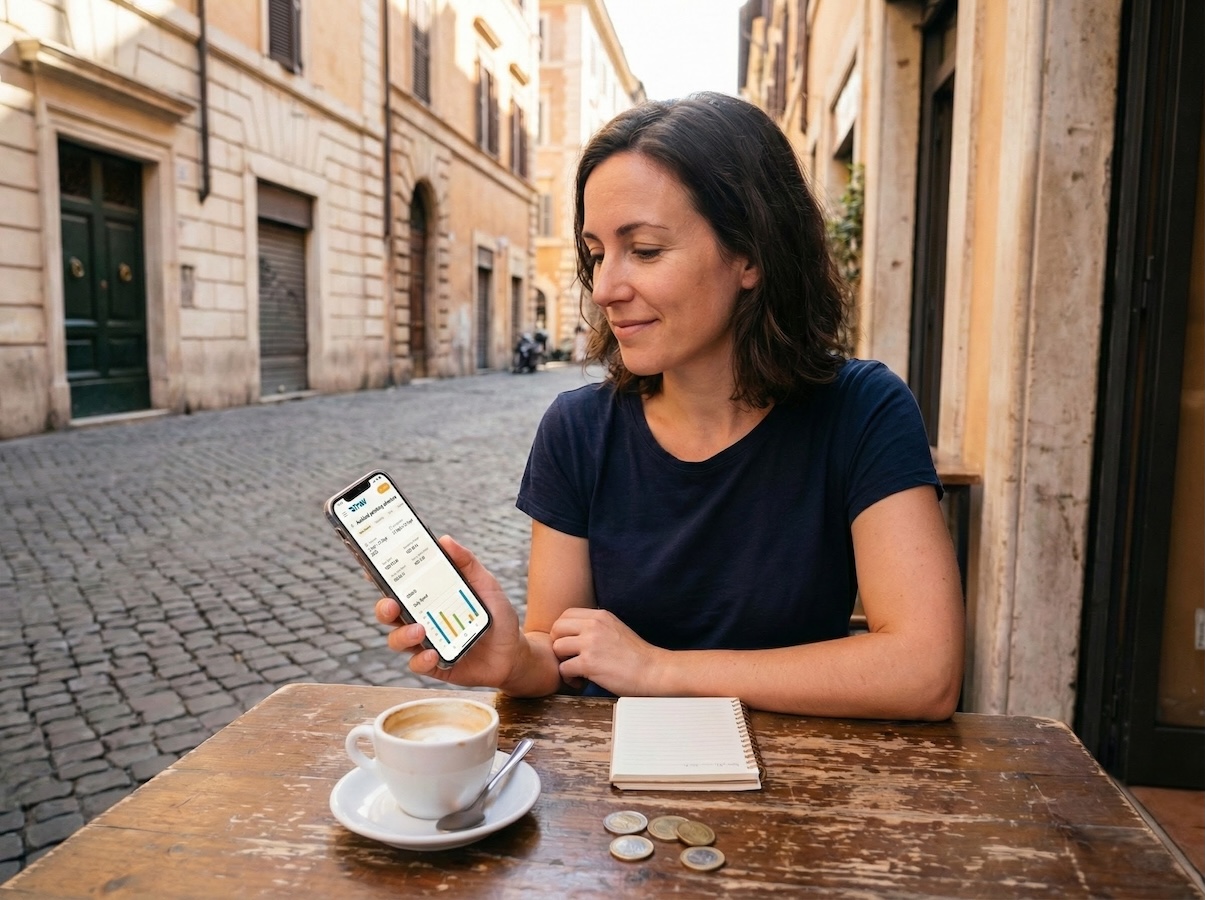
You know the feeling. You land in Rome or Queenstown and your savings account feels bottomless. The currency conversion is confusing, the excitement is high and that first dinner bill - even with the extra round of drinks - feels like a drop in the ocean.
This is the honeymoon phase of travel finance. It is also where the trouble begins.
Most travelers start their trips with a single number in their heads: "I have $5,000." But seeing a total budget of $5,000 is abstract. It doesn't tell you if you can afford the guided museum tour or if you should stick to the audio guide.
Seeing "$85 left for today" is actionable. The difference between those two numbers is the secret to making your money last as long as your visa.
The front-loading mistake
There is a behavioral trap in travel budgeting known as ‘front-loading.’ When your balance is high, you feel wealthy. You say yes to upgrades, taxis and souvenirs. By the time you reach the final leg of your journey, the math has turned against you. The result is a "starvation week" at the end of a trip, where meals are replaced by convenience store snacks.
The solution isn't just spending less - it is spending with better visibility. This is where the Trav app shifts the paradigm from simple tracking to active budget management.
Smart insights for smarter travel
The Trav app introduces a feature that acts as a financial compass: Safe to spend.
Instead of forcing you to mentally divide your remaining balance by your remaining days - a calculation that gets messy when you are jet-lagged - Trav does the heavy lifting. It looks at your total remaining funds and divides them by the days left on your itinerary.
The result is a single, clear number. It turns a vague anxiety into a concrete plan. If your safe-to-spend is $100 and lunch cost $20, you know immediately that you have $80 left for the evening. No guesswork required.
Rolling with the punches
Travel is rarely predictable. Some days you will naturally spend less, while others you will splurge on a bucket-list activity. A rigid budget breaks under this pressure -but ‘safe to spend’ adapts.
This is the most powerful aspect of the feature: it rewards your frugality.
If you underspend today, you are not just saving money; you are giving yourself a raise. When you wake up tomorrow, the app recalculates. That unspent money from yesterday is redistributed across the remaining days of your trip, automatically bumping up your daily allowance.
Suddenly, skipping that expensive cocktail isn't about deprivation. It is a strategic move to fund a better dinner in Paris next week.
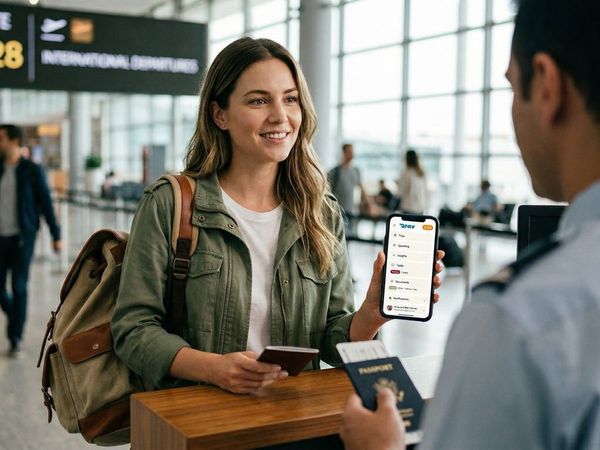
Travel admin sorted: Why you need a digital backpack
Having 'everything in one place' means nothing if you can’t instantly extract what you need. A folder of 50 PDFs isn't a system. It’s just a searchable mess.
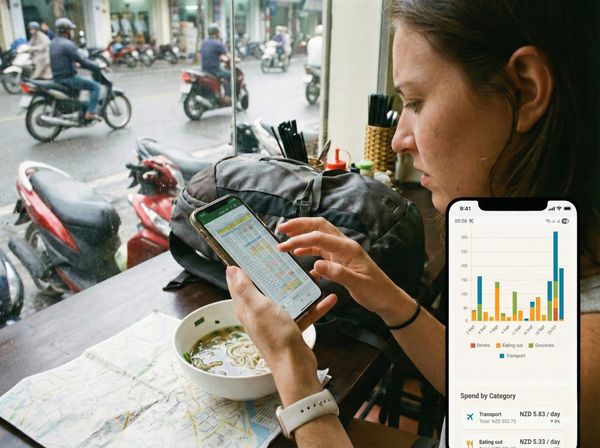
Why it’s time to ditch your travel spreadsheet
Spreadsheets are for planning, not traveling. Upgrade your toolkit with a mobile-friendly app designed for offline budgeting and real-time travel spending insights.

Off the grid, on the money: managing money when there’s no WiFi
Don't let dead zones break your budget. Learn why Trav is the ultimate offline-first app for logging expenses and converting currency anywhere in the world.